Behind Closed Doors: The Invisible Costs of Care for Women

Research from CIPD shows that nearly half of the 3 million working carers in England and Wales struggle to balance work and care, with a quarter considering leaving their jobs. As more women are delaying motherhood, “sandwich carers” juggling childcare, elder care, and work are growing in number with many experiencing mental ill-health. Figures show that 51% of sandwich carers are aged 45–64 – also the menopause red zone. 

A Personal Story
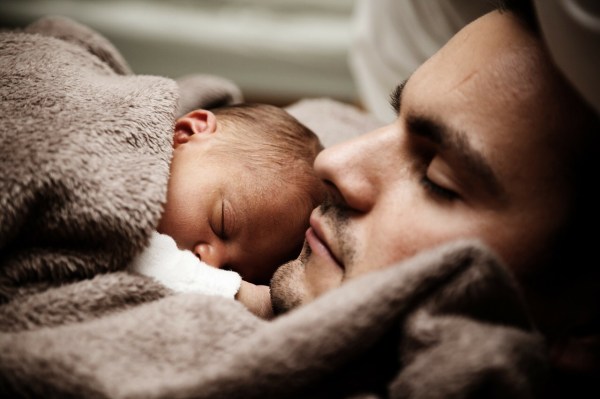
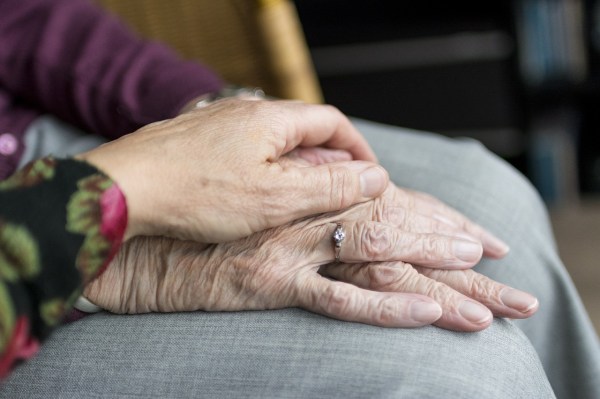
When my dad passed away in 2022, I became my mum’s carer while raising my 4-year-old son. Living 160 miles apart, I frequently had to choose who to be with – and I couldn’t choose my child.

Things came to a head before Christmas when my mum had a fall. She lay in the driveway until discovered by a passing window cleaner and was taken to A&E by a neighbour.  She was discharged after eight hours, with no consideration of whether she could manage at home—she couldn’t.

Despite an emergency care package, the burden of overnight care fell on my niece, who was called 5–6 times a night. When I arrived, the situation was unsustainable. Night-time care for my mum was quoted at £1,700 a week—contrast this with the £81.90 carers’ allowance for family carers.

This financial inequity is a bitter pill to swallow. Family carers support out of love, but that love comes at a high price: sleepless nights, lost income, and emotional burnout.

The Cost of Caring
Balancing work and care often forces women to reduce their hours or leave work altogether. A typical day might look like this:

  • Childcare: 4–5 hours
  • Work: 7.5 hours
  • Sleep: 7 hours
  • Commuting: 2 hours

It leaves little room for elder care, especially as most support services operate during office hours. Women already shoulder the bulk of unpaid domestic work, so it’s no surprise they’re 7x more likely than men to leave work entirely due to caregiving responsibilities.

What can employers do?
Employers can ease this burden by fostering a culture of understanding and flexibility. Here are key steps they can take:

  • Awareness: Gather data on carers and use it to advocate for policy changes, learning from your teams and amplifying their voices.
  • Training: Train managers to understand carers’ unique challenges and set up systems that allow carers to notify them of caring demands.
  • Leave: Offer paid carers’ leave to prevent financial strain and demonstrate that the workplace values both its employees and their caregiving responsibilities.

The UK care system relies heavily on the unpaid efforts of family members, predominantly women. We need systemic reforms that value carers’ contributions, both at home and in the workplace.


Supporting carers is key to fostering a thriving workforce. Businesses can boost retention, morale, and productivity by developing strategies that recognise the impact of caring responsibilities and address carers’ needs.

1-1 coaching can also help women to find balance and effectively advocate for themselves, striking a balance that allows them to meet their responsibilities whilst still smashing it at work. 

If you’re ready to create a culture of care and empowerment, get in touch to find out how we can support.

Image by Sabine van Erp from Pixabay
From the Past to the Present: Leadership Lessons from Charity Adams and the 6888th Batallion

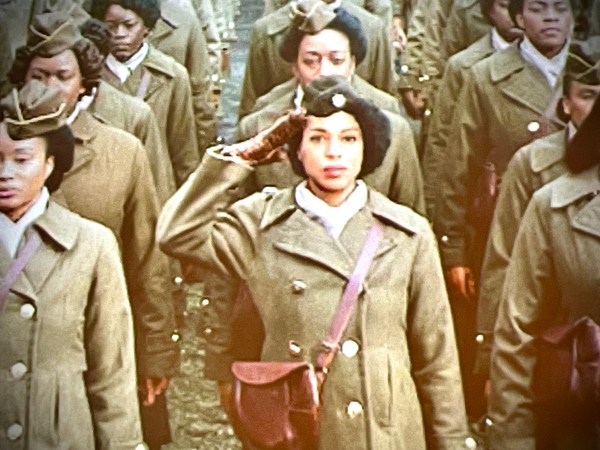
I’m inspired by women in non-traditional roles and WW2 is an interest I inherited from my Dad so I was excited for the new Netflix offer ‘The Six Triple Eight’.  The film tells the story of the first and only all-black unit of the women’s army corps which was led by Charity Adams who was the first African-American woman to become an Officer. With the level of racism and sexism in America in 1945, it seems an impossible feat.

Facing challenges at every step and deliberately set up with an impossible task, Charity had a determination that allowed her to become the highest ranking African-American woman by the end of the war. 

Her trailblazing journey highlights themes of inclusion, resilience, and effective leadership under pressure that are deeply relevant today. Here’s why her legacy continues to inspire and guide modern conversations about diversity and leadership:

1. Breaking Barriers in Leadership

Then: Charity Adams broke racial and gender barriers in a time when opportunities for Black women in leadership roles were virtually nonexistent. She led the “Six Triple Eight” to overcome systemic discrimination, logistical challenges, and the monumental task of sorting millions of pieces of undelivered mail to boost the morale of soldiers during the war.

Now: Her story underscores the importance of representation in leadership. Diverse leaders bring unique perspectives to problem-solving and decision-making, which are essential in today’s globalized and inclusive work environments.

2. Demonstrating Resilience and Excellence

Then: Despite facing racism, sexism, and immense pressure, Adams demanded excellence from herself and her team. She emphasized the value of discipline, collaboration, and purpose in achieving their mission.

Now: In modern workplaces, leaders must navigate complex challenges while fostering resilience in their teams. Adams’ example reminds us that adversity can be overcome through strategic thinking, strong leadership, and a commitment to the mission.

3. Advocating for Equity and Inclusion

Then: Adams proved that Black women could lead effectively in roles traditionally reserved for white men, challenging stereotypes and paving the way for future generations.

Now: Organizations still struggle with inequities in leadership opportunities for women and minority groups. Her example encourages leaders to actively address bias, create inclusive environments, and champion equitable opportunities.

4. The Power of Purpose-Driven Leadership

Then: Adams was not motivated by power or personal gain but by a sense of duty to her country and her team. Her purpose-driven leadership inspired her unit to achieve a seemingly impossible mission.

Now: Purpose-driven leadership resonates deeply in today’s world, where employees and stakeholders value leaders who prioritise social impact, ethical practices, and meaningful change.

5. Legacy as a Catalyst for Change

Then: Charity Adams’ story was not widely celebrated for decades, reflecting how the contributions of marginalized groups can be overlooked. Recent recognition highlights the need to acknowledge diverse histories.

Now: Her legacy serves as a call to action for modern leaders to recognize and amplify under-represented voices, ensuring that everyone has a seat at the table and their contributions are valued.

In today’s era, where diversity and inclusion are business imperatives, Charity Adams’ life offers timeless lessons on how to lead with integrity, resilience, and purpose. Her example encourages us to challenge systemic inequities, inspire others through our actions, and lead boldly in pursuit of a better, more inclusive future.

Charity Adams’ story reminds us that leadership is not about titles or power but about purpose, resilience, and inclusion. Her legacy challenges us to build workplaces and communities where everyone has the opportunity to lead and thrive.

If you’re looking to foster this kind of leadership in your own organisation or develop a culture where inclusion and resilience are at the forefront, I’d love to help. Through leadership development, culture support, and tailored coaching, I work with teams and individuals to inspire meaningful change and unlock their potential. Let’s connect and explore how we can create a better future together.

Leadership in the Wild: What Nature Teaches Us About Women in Power

The world has just witnessed the overwhelming defeat of Kamala Harris in the US election. In 2016, Hillary Clinton became the first woman in the US to win the popular vote, but this still wasn’t enough to secure the White House. In her concession speech, Clinton stated, “I know we have still not shattered that highest and hardest glass ceiling, but someday someone will.”

While the number of women in leadership roles is increasing, progress remains slow. Only 11% of FTSE 100 CEOs are women, and according to the UN, gender equality in the highest positions of power will not be achieved for another 130 years at the current rate. Furthermore, just 20% of presiding officers in parliaments worldwide are women.

In 2020, Smith et al. published a fascinating study examining female leadership in the animal kingdom to uncover insights that could help level the playing field for human leadership. The authors highlighted that attitudes about female leaders often reflect societal biases rather than actual performance. Prejudicial evaluations frequently cast women as less assertive, competitive, or independent than their male counterparts.

This bias extends to how women are perceived. For example, studies have found that people tend to prefer male voices over female ones—a phenomenon that famously led Margaret Thatcher to undergo voice coaching to sound less “shrill.” Men, too, are penalised for displaying traditionally feminine traits such as care and empathy, creating a rigid framework for leadership expectations.

What was the study?

The study focused on species with clearly defined leadership systems, identifying 8 out of 76 species with strong female leadership. This rarity—just 10% of the observed species—mirrors societal challenges in human leadership structures.

The findings revealed that primates, including monkeys, apes, and lemurs, predominantly exhibit masculine leadership, reflecting human preferences for male authority figures. Physical size was also identified as a barrier to female leadership, with smaller figures often failing to command the same level of authority.

Interestingly, female leadership tended to emerge in contexts requiring collective decision-making. For example, adult females with dependents often lead in species that rely on cooperative movement. In the human realm, mothers play a similar leadership role within families, but this critical skill set is rarely recognised or valued in professional settings.

Strong female leaders were more likely to succeed when they formed coalitions with others. Women’s leadership styles often centre on collaboration and uniting people around shared goals while navigating differences. This cooperative approach can be particularly effective in times of conflict.

Physical presence also plays a significant role in perceptions of leadership. Amy Cuddy’s research on body language highlights the importance of taking up space. In the human context, women are encouraged to “make themselves bigger” to project authority. The contrast between Hillary Clinton and Donald Trump during their election debates exemplifies this: Trump’s looming presence often overshadowed Clinton, both physically and metaphorically.

Finally, the study suggested that women are, on average, less motivated to engage in winner-take-all competitions for high-status positions. Those who do often feel pressure to adopt masculine traits to succeed, which can perpetuate a culture that discourages broader female participation.

What does this tell us about workplace culture?

The study demonstrates clear differences in how men and women lead, with feminine leadership often facing systemic challenges in human societies. At the same time, women’s collaborative and inclusive styles, whilst undervalued, have the potential to unite teams and deliver exceptional outcomes.

Organisations that fail to recognise and embrace these differences risk creating workplaces where conflict and stress persist, ultimately affecting business performance. By fostering an inclusive culture and creating space for diverse leadership approaches, organisations can unlock the full potential of their workforce and achieve greater harmony and success.

From this study, we can see that:

1) There are clear differences in the leadership of men and women with challenges for a typically feminine approach within human society. At the same time, there is evidence of key strengths in women’s leadership which, whilst appearing to be a softer approach, has the power to unite and support.

2) A lack of awareness of differences and the inability to create space for feminine approaches can lead to conflict in the workplace and significant challenges (and stress) for women leaders which ultimately impacts business performance.

3) Organisations that are serious about increasing female representation within their organisations, need to be aware of differences to support colleagues and ensure harmony so that colleagues can focus all of their efforts on achieving success. 

If you’d like support in increasing gender awareness and creating an inclusive culture, contact us for tailored advice and solutions.

Image: Tumisu via Pixabay

Power, Progress, and Patriarchy: Lessons on Culture from the US Election

When I went to bed last night, it was with a feeling of hope that I might wake up with a mixed-race woman as the leader of the free world. The idea was exciting because it sends such a powerful message to all women about leadership and culture. Alas, it was not to be. 

It reminds me of a key lesson from my course with Aberdeen University exploring organisational culture and conflict. The thing I noticed from the very first lecture was that culture is essential for inclusion. I’d say that a common mistake for organisations is to make a bold commitment to EDI, setting goals and indicators without doing the culture work required for success.

The US election result highlights the tensions in society around equality and change. What we have seen in America is a choice between masculine and feminine cultures and what we have learnt is that patriarchy is alive and well.

Watching Harris on the campaign trail, I saw an intelligent, warm, empathetic leader who could speak to all and bring unity. She came across as honest and credible, with a professionalism fitting for a world leader.

Trump on the other hand is clearly a highly controversial figure who bases his approach on the masculine values of power and status. 

Hofstede’s cultural theory suggests that in a masculine society, gender roles are distinct. The belief in this culture is that men should be assertive, tough and focused on material success. In such a society, men ’hold more positions of power, get paid more and are expected to act in a masculine manner‘.

By contrast, feminine cultures have no such divides with men and women equally concerned with quality of life. Feminine cultures tend to have loose gender roles, equal pay, female representation in most positions of power, and quality of life and relationships with people are valued over status and wealth.

Whilst individualism vs collectivism represents a separate cultural dimension, it does seem to me that this election result represents individuals concerned with self-interest which is in conflict with the more caring, nurturing feminine approach which might be more collectivist.

Culture develops from history so whatever the original model of a nation or organisation, this will inform views and beliefs. Looking more into this, the values attributed to America are justice, freedom, equality, democracy and compassion. Let’s be honest though, perception has a role to play here – some have been free and equal for longer than others!

If you listen to the powerful speech from John Legend and Common at the 2015 Oscar award ceremony, you will hear them speak passionately about the continued struggle for justice in America and around the world (listen from 2.28)

So for many today, the election result will seem like an historic day for equality and social justice in a very damaging way. For all those campaigners and activists feeling tired and drained today, it’s a night for pizza and pyjamas. Tomorrow, the work continues. Here is a gift to inspire us all and bring courage and strength: ‘Still I Rise’ by Maya Angelou (1987, Live performance)

Does this resonate with you or do you have a different perspective? Whatever your views, feel free to share in the comments below.

Barriers and benefits of Shared Parental Leave

On Monday, I will head to the office for the first time in six months as my maternity leave ends and my husband takes over at home as primary carer for our baby boy.

According to figures, take up of Shared Parental Leave (SPL) is as low as 2% and with enhanced packages mostly reserved for mothers, it’s easy to understand why. Some of the large private sector companies that really want to do their bit for gender equality, offer generous packages for Dads but for many, SPL is a luxury they just can’t afford to take up.

As someone who campaigned for parents to have the right to share their leave in whatever way they see fit, it’s only right that I would swap with my husband and let him take the strain at home while I go back to work. Financially, it makes sense for us too which is what SPL has always been about – families being able to manage their responsibilities with the main earner able to continue to work and baby being cared for by a parent regardless of which one it is.

Looking back, I remember how many people said I would change my mind both about sharing my leave and about going back full time but I haven’t and I’m ready to go back to a job I love and let father and son have their own time to bond.

As the big day approaches, I’m excited at the prospect of a full nights’ sleep and freedom to just ‘pop to the shop’. Plus, actually, I think it makes sense to have three months to recover from so many sleepless nights before we both have to adjust to a new life in which we battle to balance work and family life.

In terms of Dad’s thoughts, it’s his last day at work tomorrow and he is looking forward to having lots of quality time with his son and continuing to show him the world. He is both excited and apprehensive about having three months away from work for the same reasons as many of us mums. Some of the things he has mentioned include concerns about a reduction in wages and how we will manage, missed career opportunities and a fear of being left behind at work.

I do feel a little sad that this special time is nearly over but I’m happy that my husband will also have the opportunity to care for our child and take an active role. I’ve known all along that I can’t do it all on my own and I’m glad to have the opportunity to share the care right from the beginning.

So what stops more Dads from taking the opportunity? Many mums don’t want to cut their maternity leave short to allow Dad to take a turn and many that are happy to do that can’t afford to. It seems to me that employers should offer the same enhanced package for Shared Parental Leave as they do for Maternity Leave but until they do, the uptake will remain low.

Only yesterday, a campaign to provide access to baby changing facilities for Dads was in the news, highlighting the role of fathers in raising their children. It’s right that the world should change to recognise that children have two parents. Traditional attitudes to gender roles still linger but during my leave, I have come into contact with lots of fathers who are at home caring for their little ones and think this is something that will become more and more common in the future.

Have you taken Shared Parental Leave? How did you find it and what were the benefits for you? Share your thoughts in the comments below.

3minuteleadership.org

5 ways to tackle the gender pay gap

If you didn’t know already, today is #EqualPayDay in Britain which means that effectively, women work the rest of the year for free given the stark difference in pay that women receive for their work.

According to figures published by the Fawcett Society, the pay gap for women working full-time is 13.7% which means women earn just £86.30 in every £100 received by men. The biggest gaps can be found in Construction (22.9%), Finance (22.3%) and Education (19.7%). And there is also a considerable difference in senior roles with women accounting for just 7% of CEOs in the top 100 companies.

Sadly, 1 in 3 people don’t realise that discriminatory pay is illegal and therefore provide no challenge to the status quo.

What causes the gender pay gap?

There are a number of factors that contribute to the pay gap between men and women with the main issue being a continuing perception of male and female roles. Research from the Welsh gender equality charity, Chwarae Teg (FairPlay), discovered that children develop their views of gender roles as early as 3 years old and these views ensure that the cycle of inequality continues despite legislation to level the playing field being introduced nearly 50 years ago. Basically, the continued view that women will look after the family ensures they earn less than men. Women might plan their whole career around this, choosing lower paid jobs such as hairdressing, childcare or admin because they think it will be more flexible when the time comes to start a family. Other women look to change later on when they know that babies are on the horizon.

What can we do to tackle the gender pay gap? Here are 5 things that would make a difference:

1) Pay transparency – large employers are now being asked to publish their pay figures so discrepancies can be identified and eliminated. The BBC for example have published their figures to reveal some shocking truths about gender pay within the corporation.

2) Family friendly policies – employers should ensure flexibility for those with caring responsibilities and support them to make a full contribution at home and at work. Many employers think they are family friendly but are just blissfully unaware of the issues for their staff. For example, many organisations have different packages for mothers and fathers when it comes to maternity or paternity rights. This can make it very difficult to take up opportunities through policies such as shared parental leave because employers often have an enhanced package for mothers but not fathers so many families feel this is not an option.

3) Challenge stereotypes – organisations should make sure they are not reinforcing stereotypes but making industries such as Construction attractive to women as well as men. Women who are in male dominated industries should do all they can to support other women in their industry and support others to join them.

4) Women’s networks – women need to support each other so either create a network of your own with people who will support and inspire you or join one that is already out there. Many industries and employers have women’s networks so look them up and get involved.

5) Ask for a pay rise – if you think you are worth more than you are being laid, let your employer know about it. Figures show that women are less likely than men to ask for a pay rise and are worse off as a result. Sure, the answer might be no but you could be pleasantly surprised!

Do you have experience of gender pay issues or examples of good practice for levelling the playing field? Let us know in the comments below.

3minuteleadership.org

How not to treat your pregnant employees if you want them to keep working for you

Given that at the moment I am expecting my first child, I currently have lots of pregnant friends and I am shocked by the number of things they say about issues faced in the workplace and how they are treated by their employer and colleagues because they are pregnant.  Despite equality laws protecting against this kind of thing, pregnancy discrimination is rife in our workplaces.

Stories I have heard include someone finding out from another colleague details of who has been chosen to cover their role while they are on leave; women being treated like they have left already; and assumptions being made about when and on what basis they will be returning.

People in the workplace seem to forget (or not realise) that it’s the 21st Century and women make a wide range of choices these days.  For a start, Shared Parental Leave means that Dads can stay at home too and increasingly, men are taking a break from the workplace to do just that.  I have of course been asked if I will be giving up work which is laughable in a society of dual income households not to mention the fact that lots of women want a career and don’t believe that having a baby means they have to give this up.

Then you get people assuming you will be returning part-time after the baby is born. Which also isn’t for me (and many others) because I’m likely to do the same work anyway and I want my full pension thank you very much!  Naturally, my husband has not been subjected to any of these questions about his own decisions although I wouldn’t be surprised if he’s been asked about mine.

It isn’t necessary these days and things really have to change, so what should you be doing if you want to be a good employer for those in the family way?

1) Don’t make assumptions and encourage others not to as well – these days, it is more than possible to raise a family and continue working so no matter how well-meaning you are, do not assume women will take 12 months off, return part-time or seek a less demanding role.  Better to assume that they will want to return to the same role at the same capacity and if they want to talk to you about reduced hours or other flexible working arrangements, they will let you know.

2) Ensure those who are preparing to go on any kind of child-related leave are involved in decisions about their role – they might be going on maternity leave but may well return and preferably to the job they left so they will appreciate it if you ask them their views on how to cover the role in their absence.  Discuss their plans for maternity leave and see what level of contact they would like to have while they are away.  Keep in touch days exist for a reason and some women will want to make sure they are used to the best effect.  When decisions have been made, make sure you talk to them and explain what is going to happen and why you have decided to do things that way.

3) Keep in touch – whether they use their keep in touch days or not, make sure they are kept up to speed with any important changes.  Is there something big kicking off that might make them worry for their role?  Update them on developments so that they can feel confident that they are a valued member of the team.

4) Carry out the risk assessment – it’s mandatory for a reason and women will want to make sure that their employer recognises the risks associated to the role and cares about making sure there are no unfair expectations placed on them that might cause harm to their baby.

5) Treat them with respect – while they’re there, while they’re off and when they come back.  Commit to good communication, timely responses or decisions and ensure all discussions are handled with sensitivity.  It will be appreciated and they will be more likely to come back.

I’m sure you made the hire in the first place thinking that person was amazing for the role.  Hopefully, they have proven you right and performed well during their time with you.  If that’s the case, you would want them back, right? Under whatever circumstances they want to return.

So treat them right and you have a good chance that they will want to re-join your fold after they have settled in to their new world order and continue doing the same amazing job they were doing before, probably with even more commitment because they know they are lucky to have a good employer and want to work hard for you.

Does this resonate with you?  Have you experiences of being pregnant in the workplace? Or are you an employer that agrees or is frustrated with these ideas?  Let us know in the comments below.


3minuteleadership.org


3 things employers can do now to address the gender pay gap in their workplace

Gender pay is back in the headlines this week as the deadline passes for reporting pay for male and female employees in companies with more than 250 staff.  From today, employers will need to be transparent about average pay for men and women in their organisations which includes any difference in bonuses or at different levels of the pay scale.

This move has been taken by the UK Government because despite over 40 years of Equal Pay legislation, the gender pay gap remains a stubborn problem that the Government is committed to address.  From now on, companies will need to know the situation across their business which will shine a light on gender inequality in the workplace and hopefully lead to plans to address the imbalance.

What creates this problem?  A wide range of factors contribute to the continued pay inequality for women not only in the UK but around the world.  Firstly, more women than men enter careers with low pay such as hairdressing and childcare whereas more men are found in higher paying sectors such as construction and engineering.

Women are more likely to take on the caring role within the family meaning that work and career take a back seat.  Choosing to reduce hours limits women’s career options with part-time roles at a senior level being extremely difficult to find.  Instead, those women who prioritise family-friendly working hours tend to find their options limited to jobs which are low skilled and low paid.

From a male perspective, whilst rights are increasing for fathers who want to share the responsibility of caring for the family, exercising these rights is often more of a challenge.  At all levels of society, assumptions are made about what changes a woman will make once a baby arrives with far less consideration given to how the father might plan to change his working patterns or adjust his career goals.

What needs to be done to tackle the gender pay gap?  It’s going to be a long journey with lots of work required to change society’s views on gender roles including working with children to create a foundation for success.  However, if you are an employer that wants to start addressing this today, here are three things that employers can do now to make a significant difference for gender pay inequality:

1)      Identify any structural issues in the organisation

Many times, I have heard employers say they would love to appoint women to their advertised roles if only they would apply.  My response to this is to ask them to consider why women might not put themselves forward for these roles.  One possibility might be that women think they can’t have flexibility in the role.  For example, across a number of organisations, I have heard women say that they value their flexibility and senior roles in their organisation state that post-holders are required to work the hours necessary to do the job.  This can be worrying for women with family responsibilities and they can be discouraged from applying if they think they will not have the flexibility they need to manage work and home.

2)      Part-time roles at a senior level

Another thing I have heard many times over the years is that management and senior roles can’t be done part time.  In my opinion this is untrue and so a positive step would be for employers to start advertising higher level roles with a clear statement that part-time hours or flexible working is available.  For roles that do need someone full-time, employers should start seriously exploring job share arrangements as an option.

3)      Supporting fathers to take an active role

As long as women are seen as the ones responsible for caring for the family and home, there will be discrimination in the workplace.  New policy and legislation means that the growing number of men who want to be involved in raising up the family, are able to do so. However, enhanced packages offered to women need to be available to men as well to make shared parental leave a viable option. And we need to encourage more men to exercise their right to request flexible working until it is no longer seen as something for women.

Finally, I’ve heard lots of employers saying they know that the gender pay gap is an issue but ‘not in my workplace’.  Any organisation that thinks this way needs to seriously reflect.  If it’s true then share what you’re doing with others so they can enjoy the same success.  If it isn’t true, try some of these actions and start making a change.


Do you agree with the suggestions in this article? Are these things having an impact already in your workplace? Share your thoughts in the comments below.


Why it matters that we finally have a woman playing The Doctor

It’s been a long time coming but many women across Britain have finally realised a dream which I wasn’t sure would ever come true a female lead in the British cult series – Dr Who.

A few years ago, I remember talking to a producer of Dr Who and asked the question ‘when is the Doctor going to be a woman?’. She advised me that it would never happen because the fans didn’t want it and the ratings would fall if that decision was made.

We now get to find out if that is a valid concern or indeed if the change means the series can inspire a whole new audience.

Why does it matter whether we have a female Doctor?

It isn’t just a nice thing to do for women, it really matters that we have female role models who are visible and leading the way. Being able to see women in prominent roles and breaking new ground is an inspiration for girls everywhere. It tells our daughters that anything is possible and they can actually be whatever they want to be.

Role models help to raise aspirations and show girls they can succeed. Whether it’s leadership, media, engineering or something else, we need to see that women can achieve in whatever they choose and this character provides someone for our girls to look up to.

For those girls watching Jodie Whittaker taking on the Daleks, it tells them they can have leading roles, become action heroes and achieve what seems impossible if they want to. We see far too little of girls having adventures so many of us are cheering this turn of events and hope that it marks the beginning of an era where girls can get right in the thick of it too.

Typically, women are seen as not having power so hopefully having a woman play an extraterrestrial Time Lord who zips through time and space to solve problems and battle injustice across the universe will help to change this.

Do women have equal opportunities in the media?

It’s been a big week for women with names and salaries of the BBCs highest paid stars being published in a bid to improve transparency of the public service. Reading the news articles ahead of the release, I was disappointed to see this quote: ‘It’s good to see some women on the list too’. This is the type of attitude that creates inequality in the first place and allows it to continue. It’s shocking to discover that women account for just 1/3 of the list and men exclusively hold the top 12 highest paid roles.

What impact does a lack of female role models have on wider society?

An article published by Forbes explains the need for role models perfectly:

“Seeing few people who look and act like them in industries like science and politics discourages girls from pursuing their interests if those interests are not popular. This robs the world of future talent that has massive potential to feed innovation, create change, and boost the economy”

When young women and girls see Jodie Whittaker or other leading lights taking on new challenges and succeeding in the chosen field, they think ‘if they can do it, so can I’. So thank you to the BBC for taking diversity seriously and finally appointing a female Doctor to show our girls they have options.

What can you do to help ensure we have good role models for girls to look up to?

You can be visible – if you have any kind of role that challenges gender stereotypes, do what you can to make it known to others so you can inspire girls coming though.

You can be the change – when you secure a role in an area where women are under-represented, you can help to create a space where women are welcome and judged on their own merits.

You can help others – if you make it to a position of authority or even achieve something that others admire, you can share your story and experiences to help others do the same.

If you have any thoughts about what more needs to happen to promote female role models or have an experience to share with us, please post in the comments below.


3minuteleadership.org


Photo credit: Pixabay

Blog at WordPress.com.

Up ↑