Behind Closed Doors: The Invisible Costs of Care for Women

Research from CIPD shows that nearly half of the 3 million working carers in England and Wales struggle to balance work and care, with a quarter considering leaving their jobs. As more women are delaying motherhood, “sandwich carers” juggling childcare, elder care, and work are growing in number with many experiencing mental ill-health. Figures show that 51% of sandwich carers are aged 45–64 – also the menopause red zone. 

A Personal Story
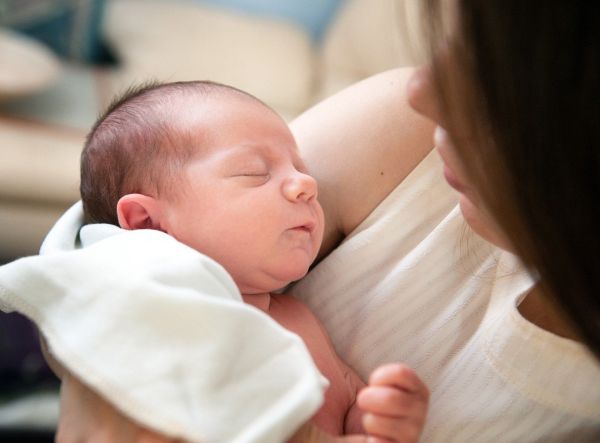
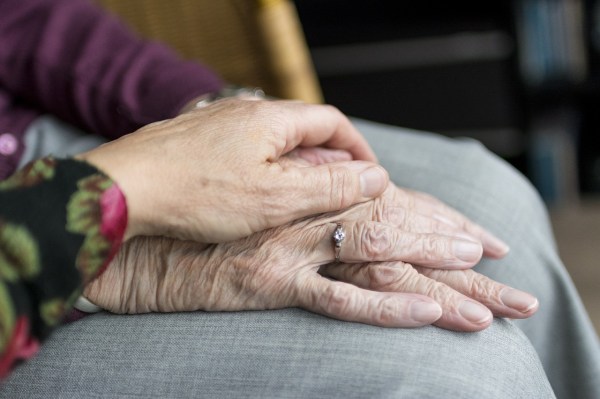
When my dad passed away in 2022, I became my mum’s carer while raising my 4-year-old son. Living 160 miles apart, I frequently had to choose who to be with – and I couldn’t choose my child.

Things came to a head before Christmas when my mum had a fall. She lay in the driveway until discovered by a passing window cleaner and was taken to A&E by a neighbour.  She was discharged after eight hours, with no consideration of whether she could manage at home—she couldn’t.

Despite an emergency care package, the burden of overnight care fell on my niece, who was called 5–6 times a night. When I arrived, the situation was unsustainable. Night-time care for my mum was quoted at £1,700 a week—contrast this with the £81.90 carers’ allowance for family carers.

This financial inequity is a bitter pill to swallow. Family carers support out of love, but that love comes at a high price: sleepless nights, lost income, and emotional burnout.

The Cost of Caring
Balancing work and care often forces women to reduce their hours or leave work altogether. A typical day might look like this:

  • Childcare: 4–5 hours
  • Work: 7.5 hours
  • Sleep: 7 hours
  • Commuting: 2 hours

It leaves little room for elder care, especially as most support services operate during office hours. Women already shoulder the bulk of unpaid domestic work, so it’s no surprise they’re 7x more likely than men to leave work entirely due to caregiving responsibilities.

What can employers do?
Employers can ease this burden by fostering a culture of understanding and flexibility. Here are key steps they can take:

  • Awareness: Gather data on carers and use it to advocate for policy changes, learning from your teams and amplifying their voices.
  • Training: Train managers to understand carers’ unique challenges and set up systems that allow carers to notify them of caring demands.
  • Leave: Offer paid carers’ leave to prevent financial strain and demonstrate that the workplace values both its employees and their caregiving responsibilities.

The UK care system relies heavily on the unpaid efforts of family members, predominantly women. We need systemic reforms that value carers’ contributions, both at home and in the workplace.


Supporting carers is key to fostering a thriving workforce. Businesses can boost retention, morale, and productivity by developing strategies that recognise the impact of caring responsibilities and address carers’ needs.

1-1 coaching can also help women to find balance and effectively advocate for themselves, striking a balance that allows them to meet their responsibilities whilst still smashing it at work. 

If you’re ready to create a culture of care and empowerment, get in touch to find out how we can support.

Image by Sabine van Erp from Pixabay
From the Past to the Present: Leadership Lessons from Charity Adams and the 6888th Batallion

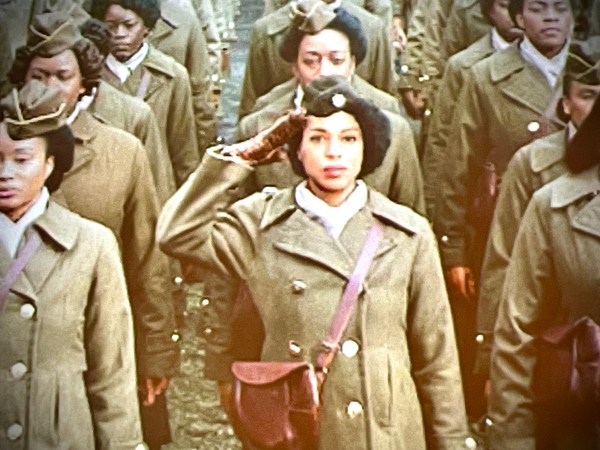
I’m inspired by women in non-traditional roles and WW2 is an interest I inherited from my Dad so I was excited for the new Netflix offer ‘The Six Triple Eight’.  The film tells the story of the first and only all-black unit of the women’s army corps which was led by Charity Adams who was the first African-American woman to become an Officer. With the level of racism and sexism in America in 1945, it seems an impossible feat.

Facing challenges at every step and deliberately set up with an impossible task, Charity had a determination that allowed her to become the highest ranking African-American woman by the end of the war. 

Her trailblazing journey highlights themes of inclusion, resilience, and effective leadership under pressure that are deeply relevant today. Here’s why her legacy continues to inspire and guide modern conversations about diversity and leadership:

1. Breaking Barriers in Leadership

Then: Charity Adams broke racial and gender barriers in a time when opportunities for Black women in leadership roles were virtually nonexistent. She led the “Six Triple Eight” to overcome systemic discrimination, logistical challenges, and the monumental task of sorting millions of pieces of undelivered mail to boost the morale of soldiers during the war.

Now: Her story underscores the importance of representation in leadership. Diverse leaders bring unique perspectives to problem-solving and decision-making, which are essential in today’s globalized and inclusive work environments.

2. Demonstrating Resilience and Excellence

Then: Despite facing racism, sexism, and immense pressure, Adams demanded excellence from herself and her team. She emphasized the value of discipline, collaboration, and purpose in achieving their mission.

Now: In modern workplaces, leaders must navigate complex challenges while fostering resilience in their teams. Adams’ example reminds us that adversity can be overcome through strategic thinking, strong leadership, and a commitment to the mission.

3. Advocating for Equity and Inclusion

Then: Adams proved that Black women could lead effectively in roles traditionally reserved for white men, challenging stereotypes and paving the way for future generations.

Now: Organizations still struggle with inequities in leadership opportunities for women and minority groups. Her example encourages leaders to actively address bias, create inclusive environments, and champion equitable opportunities.

4. The Power of Purpose-Driven Leadership

Then: Adams was not motivated by power or personal gain but by a sense of duty to her country and her team. Her purpose-driven leadership inspired her unit to achieve a seemingly impossible mission.

Now: Purpose-driven leadership resonates deeply in today’s world, where employees and stakeholders value leaders who prioritise social impact, ethical practices, and meaningful change.

5. Legacy as a Catalyst for Change

Then: Charity Adams’ story was not widely celebrated for decades, reflecting how the contributions of marginalized groups can be overlooked. Recent recognition highlights the need to acknowledge diverse histories.

Now: Her legacy serves as a call to action for modern leaders to recognize and amplify under-represented voices, ensuring that everyone has a seat at the table and their contributions are valued.

In today’s era, where diversity and inclusion are business imperatives, Charity Adams’ life offers timeless lessons on how to lead with integrity, resilience, and purpose. Her example encourages us to challenge systemic inequities, inspire others through our actions, and lead boldly in pursuit of a better, more inclusive future.

Charity Adams’ story reminds us that leadership is not about titles or power but about purpose, resilience, and inclusion. Her legacy challenges us to build workplaces and communities where everyone has the opportunity to lead and thrive.

If you’re looking to foster this kind of leadership in your own organisation or develop a culture where inclusion and resilience are at the forefront, I’d love to help. Through leadership development, culture support, and tailored coaching, I work with teams and individuals to inspire meaningful change and unlock their potential. Let’s connect and explore how we can create a better future together.

Leadership in the Wild: What Nature Teaches Us About Women in Power

The world has just witnessed the overwhelming defeat of Kamala Harris in the US election. In 2016, Hillary Clinton became the first woman in the US to win the popular vote, but this still wasn’t enough to secure the White House. In her concession speech, Clinton stated, “I know we have still not shattered that highest and hardest glass ceiling, but someday someone will.”

While the number of women in leadership roles is increasing, progress remains slow. Only 11% of FTSE 100 CEOs are women, and according to the UN, gender equality in the highest positions of power will not be achieved for another 130 years at the current rate. Furthermore, just 20% of presiding officers in parliaments worldwide are women.

In 2020, Smith et al. published a fascinating study examining female leadership in the animal kingdom to uncover insights that could help level the playing field for human leadership. The authors highlighted that attitudes about female leaders often reflect societal biases rather than actual performance. Prejudicial evaluations frequently cast women as less assertive, competitive, or independent than their male counterparts.

This bias extends to how women are perceived. For example, studies have found that people tend to prefer male voices over female ones—a phenomenon that famously led Margaret Thatcher to undergo voice coaching to sound less “shrill.” Men, too, are penalised for displaying traditionally feminine traits such as care and empathy, creating a rigid framework for leadership expectations.

What was the study?

The study focused on species with clearly defined leadership systems, identifying 8 out of 76 species with strong female leadership. This rarity—just 10% of the observed species—mirrors societal challenges in human leadership structures.

The findings revealed that primates, including monkeys, apes, and lemurs, predominantly exhibit masculine leadership, reflecting human preferences for male authority figures. Physical size was also identified as a barrier to female leadership, with smaller figures often failing to command the same level of authority.

Interestingly, female leadership tended to emerge in contexts requiring collective decision-making. For example, adult females with dependents often lead in species that rely on cooperative movement. In the human realm, mothers play a similar leadership role within families, but this critical skill set is rarely recognised or valued in professional settings.

Strong female leaders were more likely to succeed when they formed coalitions with others. Women’s leadership styles often centre on collaboration and uniting people around shared goals while navigating differences. This cooperative approach can be particularly effective in times of conflict.

Physical presence also plays a significant role in perceptions of leadership. Amy Cuddy’s research on body language highlights the importance of taking up space. In the human context, women are encouraged to “make themselves bigger” to project authority. The contrast between Hillary Clinton and Donald Trump during their election debates exemplifies this: Trump’s looming presence often overshadowed Clinton, both physically and metaphorically.

Finally, the study suggested that women are, on average, less motivated to engage in winner-take-all competitions for high-status positions. Those who do often feel pressure to adopt masculine traits to succeed, which can perpetuate a culture that discourages broader female participation.

What does this tell us about workplace culture?

The study demonstrates clear differences in how men and women lead, with feminine leadership often facing systemic challenges in human societies. At the same time, women’s collaborative and inclusive styles, whilst undervalued, have the potential to unite teams and deliver exceptional outcomes.

Organisations that fail to recognise and embrace these differences risk creating workplaces where conflict and stress persist, ultimately affecting business performance. By fostering an inclusive culture and creating space for diverse leadership approaches, organisations can unlock the full potential of their workforce and achieve greater harmony and success.

From this study, we can see that:

1) There are clear differences in the leadership of men and women with challenges for a typically feminine approach within human society. At the same time, there is evidence of key strengths in women’s leadership which, whilst appearing to be a softer approach, has the power to unite and support.

2) A lack of awareness of differences and the inability to create space for feminine approaches can lead to conflict in the workplace and significant challenges (and stress) for women leaders which ultimately impacts business performance.

3) Organisations that are serious about increasing female representation within their organisations, need to be aware of differences to support colleagues and ensure harmony so that colleagues can focus all of their efforts on achieving success. 

If you’d like support in increasing gender awareness and creating an inclusive culture, contact us for tailored advice and solutions.

Image: Tumisu via Pixabay

Power, Progress, and Patriarchy: Lessons on Culture from the US Election

When I went to bed last night, it was with a feeling of hope that I might wake up with a mixed-race woman as the leader of the free world. The idea was exciting because it sends such a powerful message to all women about leadership and culture. Alas, it was not to be. 

It reminds me of a key lesson from my course with Aberdeen University exploring organisational culture and conflict. The thing I noticed from the very first lecture was that culture is essential for inclusion. I’d say that a common mistake for organisations is to make a bold commitment to EDI, setting goals and indicators without doing the culture work required for success.

The US election result highlights the tensions in society around equality and change. What we have seen in America is a choice between masculine and feminine cultures and what we have learnt is that patriarchy is alive and well.

Watching Harris on the campaign trail, I saw an intelligent, warm, empathetic leader who could speak to all and bring unity. She came across as honest and credible, with a professionalism fitting for a world leader.

Trump on the other hand is clearly a highly controversial figure who bases his approach on the masculine values of power and status. 

Hofstede’s cultural theory suggests that in a masculine society, gender roles are distinct. The belief in this culture is that men should be assertive, tough and focused on material success. In such a society, men ’hold more positions of power, get paid more and are expected to act in a masculine manner‘.

By contrast, feminine cultures have no such divides with men and women equally concerned with quality of life. Feminine cultures tend to have loose gender roles, equal pay, female representation in most positions of power, and quality of life and relationships with people are valued over status and wealth.

Whilst individualism vs collectivism represents a separate cultural dimension, it does seem to me that this election result represents individuals concerned with self-interest which is in conflict with the more caring, nurturing feminine approach which might be more collectivist.

Culture develops from history so whatever the original model of a nation or organisation, this will inform views and beliefs. Looking more into this, the values attributed to America are justice, freedom, equality, democracy and compassion. Let’s be honest though, perception has a role to play here – some have been free and equal for longer than others!

If you listen to the powerful speech from John Legend and Common at the 2015 Oscar award ceremony, you will hear them speak passionately about the continued struggle for justice in America and around the world (listen from 2.28)

So for many today, the election result will seem like an historic day for equality and social justice in a very damaging way. For all those campaigners and activists feeling tired and drained today, it’s a night for pizza and pyjamas. Tomorrow, the work continues. Here is a gift to inspire us all and bring courage and strength: ‘Still I Rise’ by Maya Angelou (1987, Live performance)

Does this resonate with you or do you have a different perspective? Whatever your views, feel free to share in the comments below.

From Bias to Burnout: How Menopause Impacts Women’s Work Experiences

I’ve talked a lot over the years about barriers for women in the workplace such as gender bias, care, stereotypes etc. all of which can prevent women from reaching their potential. For those who do manage to overcome these barriers, the menopause can be one that finally defeats them.

In terms of the figures, recent research from CIPD demonstrates that ⅔ of women (aged 40-60 in employment) have found that menopause symptoms have had a negative impact on them at work.

A 2023 survey found that 23% of women aged 40–60 considered quitting their job due to menopause, and 14% were actively planning to leave their job.

The reduction in oestrogen levels can have a major impact on women’s lives and this process typically begins when a woman reaches late 30’s/early 40’s. From reading menopause threads on mumsnet, I have come to the inexpert opinion that if you are over 40 and have symptoms that you think are hormone related then they probably are. 

From my own experience in recent years, symptoms are wide-ranging and can be easily mistaken for other things. Itchy upper arms, for example, I  was treating as dry skin until I saw a Twitter post by Newson Health talking about this as a symptom of menopause. As soon as I started on HRT, the itching went away completely. Other typical symptoms of peri-menopause include hot flushes, anxiety, insomnia, fatigue, headaches, and muscle and joint pains – and I have had the lot over the past 18 months. 

Given the level of knowledge women have about the menopause today, it is amazing that so many of us are still being fobbed off by health professionals and prevented from getting the treatment we desperately need.

Hard-working and well-meaning as they are, I’ve heard some ridiculous things from healthcare workers. For example, when I first spoke to a GP about anxiety and asked if it could be peri-menopause, I was told that it was more likely to be depression (it definitely wasn’t).

I’ve had a nurse tell me that I have unusual symptoms and that most women come in with hot flushes and night sweats (probably because it’s the only symptom that gets talked about regularly despite a wide range being recognised).

Another GP asked me if my mum had experienced early menopause so I had to educate her on the concept of peri-menopause which was not something that was widely known about in my mother’s day. I’m aware of other women who have been told they can’t have HRT because they are ‘too young’ – this is despite the fact they are struggling to cope with their symptoms.

Finally (though I could go on) I was told by a male GP that he doesn’t deal with HRT ‘because he’s a man’ (and yet women over 40 are more likely to present with symptoms of anxiety due to hormones and this was the mental health specialist). A long-standing women’s rights activist, I am beside myself to think that he considered it acceptable to say this in 2024.

Thankfully, I eventually realised my symptoms weren’t normal and went elsewhere to get help.

Clearly, I am not qualified to make medical recommendations and if you are struggling, you should do your own research and access appropriate support. However, it might be useful to know these top 3 things that have made a difference for me:

  1. Magnesium – I have been experiencing severe muscle pain for nearly a year to the extent that I have felt like I can’t go on feeling so uncomfortable in my own body. I’ve put it down to a range of things from carrying a bike to doing yoga. Eventually, I realised that everyday activities couldn’t be the cause of such severe discomfort. Desperate for a good night sleep, I was given magnesium supplements to try and have discovered this is a magic mineral! Not only did they tackle my insomnia but they also got rid of my joint pain overnight. I have to take it regularly but it works and the effect is immediate. It’s also a good excuse for a salt bath or foot soak! If you want to know more, read this article by Better You.
  2. Testosterone – whilst I knew that oestrogen reduces, I didn’t know that testosterone levels reduce in peri-menopause as well. After requesting a blood test, I was told that my results were ‘normal’. Having a look myself, it seemed to me that my levels were at the low end of normal. When I spoke to a private GP, she confirmed that all my hormone levels were low and prescribed testosterone as part of my treatment plan. After a week boosting my testosterone levels, I felt like a new woman, able to cope with all of life’s challenges. Read more about the benefits of testosterone in menopause.
  1. Menopause specialist – whilst reluctant to fork out the money to go private, I finally decided to bite the bullet and I am so glad I did. Finally, I was speaking to a GP who recognised my symptoms and could put me on a treatment plan that would make a difference. 

Getting older is a challenge for all of us but with hormonal and chemical imbalances, mid-life is especially challenging for women who can suddenly find themselves feeling anxious, confused and unsupported. 

Finally, I have been to several awareness sessions which have ensured I have a good understanding of the symptoms and was able to recognise them. If you are looking for something for your workplace, I recommend The Menopause Team who can provide a very informative and worthwhile session.

Has your life been affected by menopause symptoms? Do you have a story to share? Let us know in the comments below.

In honour of Mother’s Day and the sacrifices women make for their kids

It hasn’t been a great week for women in the UK and whilst this might not be all that unusual, the juxtaposition with International Women’s Day has amplified the issues.  My own week has been similarly tragic with lots of consideration of gender specific challenges and the burden of caring responsibilities.

When I had my first child, my husband took 3 months of Shared Parental Leave while I went back to work.  It was transformational for us as a family and whilst he was very involved anyway, it truly changed the way he contributed to the childcare which has been positive for all of us.

There was never any consideration of working part-time for him though when he did return. He already worked a compressed week so had one day a week with our son.  He also had to change his hours slightly to accommodate the nursery pick up on certain days so that I had space to meet my work commitments too.  Despite the fact that he was off work full-time for 3 months, no one ever asked him if he was going back part-time and many asked me.

I worked a 4-day week when I returned, using my annual leave to reduce my hours and I later put in a flexible working request for compressed hours so that I could continue with my childcare day (saving us £260 per month in nursery fees).  My approach first of all was to ask if I could work my hours flexibly across the week to accommodate my childcare day because I knew that sometimes there were work commitments on a Monday and I was more than happy to be flexible in order to get the job done well.  The initial response was unsupportive and so I was forced to submit a statutory request which was successful because I’d already been working 4 days a week and would still be working full-time hours, flexibly across the week. There were literally no grounds to refuse it although my boss had made me feel like the organisation would try.

Later on, my husband secured a new role with more responsibility. In the first week, we realised my son had chicken pox. My husband felt there was no way he could ask for time off in his first week and I completely understand how hard that is but I also know that mothers everywhere would do it without question.

There was an article that I read the other day in the Guardian about the impact of Covid on women. One of the stats that hit me was this: ‘the UK public are four times more likely to disapprove of mothers with young children working full-time than fathers’.  I’ve definitely felt a lot of pressure for me to not go back to work full-time.  And yet, I’m the higher earner. 

Even though we are both on reasonable salaries, the childcare costs are crippling and we would struggle to pay for two.  Many would say, if you have children, you should pay for them and that’s fine in principle.  The issue is though that it forces women out of the workplace because society puts pressure on the mother to work part-time at most.  Then we make childcare ridiculously expensive and declare all decent work full-time only. Part-time jobs are typically low-skilled and low-paid and whilst I see no logical reason why skilled roles can’t be done part-time, it’s what we have told ourselves and I hear other women defending this.

The other thing we choose to ignore is that we need children for the future labour market. This is what pays for our public services. And yet, we are in a situation where families are choosing not to have children because the finances do not stack up.

The cost of 2 children full-time in our nursery, even with one receiving 30 hours free, is £23k.  The average salary for Cardiff is £28k (so there will be plenty earning less than this for full-time hours).

I’ve come to think of this today because yesterday we celebrated mothers across the United Kingdom. Mothers play a critical role in bringing up the next generation.  We rely on mums to reduce their working hours, take on low-paid, part-time roles and sacrifice their pensions in order to do this.  And they do it without question.

So in honour of Mother’s Day, I wanted to highlight the motherhood penalty and pay tribute to those making sacrifices for their kids.  Gone are the final salary pensions for husbands that might have kept us and gone are lasting marriages for that matter.

This situation won’t get better until women are valued for the contribution they make and that will be a long time coming as the patriarchy continues to gaslight us. 

It isn’t going to get any better until we see men making the same sacrifices and employers being more flexible.  “Covid has made employers more flexible”, I hear you cry. No. Covid has forced employers to facilitate remote working and let people work more flexibly. However, for many ‘working flexibly’ means working your full-time hours around home-schooling which means a double shift, every day.  

What we need for the future is affordable (even universal) childcare and part-time work opportunities at all levels along with employers that don’t see time out for family as a lack of commitment to the work.

Does this ring true for you? Or do you think it’s way off the mark? Let us know in the comments below.

3minuteleadership.org

Image by Iuliia Bondarenko from Pixabay 

5 ways to tackle the gender pay gap

If you didn’t know already, today is #EqualPayDay in Britain which means that effectively, women work the rest of the year for free given the stark difference in pay that women receive for their work.

According to figures published by the Fawcett Society, the pay gap for women working full-time is 13.7% which means women earn just £86.30 in every £100 received by men. The biggest gaps can be found in Construction (22.9%), Finance (22.3%) and Education (19.7%). And there is also a considerable difference in senior roles with women accounting for just 7% of CEOs in the top 100 companies.

Sadly, 1 in 3 people don’t realise that discriminatory pay is illegal and therefore provide no challenge to the status quo.

What causes the gender pay gap?

There are a number of factors that contribute to the pay gap between men and women with the main issue being a continuing perception of male and female roles. Research from the Welsh gender equality charity, Chwarae Teg (FairPlay), discovered that children develop their views of gender roles as early as 3 years old and these views ensure that the cycle of inequality continues despite legislation to level the playing field being introduced nearly 50 years ago. Basically, the continued view that women will look after the family ensures they earn less than men. Women might plan their whole career around this, choosing lower paid jobs such as hairdressing, childcare or admin because they think it will be more flexible when the time comes to start a family. Other women look to change later on when they know that babies are on the horizon.

What can we do to tackle the gender pay gap? Here are 5 things that would make a difference:

1) Pay transparency – large employers are now being asked to publish their pay figures so discrepancies can be identified and eliminated. The BBC for example have published their figures to reveal some shocking truths about gender pay within the corporation.

2) Family friendly policies – employers should ensure flexibility for those with caring responsibilities and support them to make a full contribution at home and at work. Many employers think they are family friendly but are just blissfully unaware of the issues for their staff. For example, many organisations have different packages for mothers and fathers when it comes to maternity or paternity rights. This can make it very difficult to take up opportunities through policies such as shared parental leave because employers often have an enhanced package for mothers but not fathers so many families feel this is not an option.

3) Challenge stereotypes – organisations should make sure they are not reinforcing stereotypes but making industries such as Construction attractive to women as well as men. Women who are in male dominated industries should do all they can to support other women in their industry and support others to join them.

4) Women’s networks – women need to support each other so either create a network of your own with people who will support and inspire you or join one that is already out there. Many industries and employers have women’s networks so look them up and get involved.

5) Ask for a pay rise – if you think you are worth more than you are being laid, let your employer know about it. Figures show that women are less likely than men to ask for a pay rise and are worse off as a result. Sure, the answer might be no but you could be pleasantly surprised!

Do you have experience of gender pay issues or examples of good practice for levelling the playing field? Let us know in the comments below.

3minuteleadership.org

Women Leaders

[Guest post by Hilarie Owen]


Most organisations are aware of gender inequality and many are trying to address the issue with training programmes, coaching and trying to build a pipeline but these actions are not delivering the results quick enough. Filling the pipeline hasn’t produced the results and neither have policies. The barriers that hinder progress for women are far more complex and elusive. 

Following my webinar on women, power and leadership that was held on International Women’s Day 2018 with three great speakers I decided to explore women leaders in more depth. I interviewed women leaders across society from business, the arts, science, technology and government. I was enthralled by their autobiographical narratives. Their stories were engaging and it became clear that their leadership emerged and grew from their experiences. It quickly unfolded that there were key patterns that were central to their ability to lead that I will try and capture in my new book. One of the noticeable things was that in 30 interviews I did not find one ego. In fact these women were like you and me so we can’t say ‘Ah, but they are different’.

Each woman, regardless of their background or education, had common elements they had developed. It wasn’t as simple as qualities, as important as these are, but constructs they had combined to form their leadership – a different form of leadership to the older male version.

I’ve been immersed in what makes great leaders for the last 20 years, helping to inspire high performance in top teams around the world, including my research with the RAF’s Red Arrows. Women are doing amazing things in business, the military, politics, sports and the arts. Yet the number of occupying senior posts is falling.  Globally, while women are receiving higher education gender parity is shifting backwards for the first time since 2006, according to the 2017 Global Gender Gap Report and what stands out is that although women across the world are highly educated the workplace is still not give them parity.

In the UK, more women are joining boards as Non-Executive Directors but this has become more of a tick box exercise as the numbers of full time women directors remain static. According to a report from Grant Thornton in 2017, the number of women coming through into senior management posts is actually declining. How can this possibly be? Surely we already have the policies and procedures we need in place. The solution isn’t to ‘fix women’ but to fix the barriers in organisations. So the book not only focuses on women leaders but how to enable organisations to be far more inclusive. The book will be launched in the Spring but people can pre-order copies now by going to:

https://www.kickstarter.com/projects/614479735/welead-women-leaders-and-inclusive-organisations?ref=project_build
So far, I have written eight books on leadership that sell around the world opening up opportunities to work in different countries. Everywhere I meet inspiring women who are doing amazing work and campaigning for more opportunities for women.  My aim is quite clear. One day when someone asks women ‘what do you do? The answer will be ‘weLEAD’.


© Hilarie Owen  hilarie.owen@iofl.org

3minuteleadership.org

3 things employers can do now to address the gender pay gap in their workplace

Gender pay is back in the headlines this week as the deadline passes for reporting pay for male and female employees in companies with more than 250 staff.  From today, employers will need to be transparent about average pay for men and women in their organisations which includes any difference in bonuses or at different levels of the pay scale.

This move has been taken by the UK Government because despite over 40 years of Equal Pay legislation, the gender pay gap remains a stubborn problem that the Government is committed to address.  From now on, companies will need to know the situation across their business which will shine a light on gender inequality in the workplace and hopefully lead to plans to address the imbalance.

What creates this problem?  A wide range of factors contribute to the continued pay inequality for women not only in the UK but around the world.  Firstly, more women than men enter careers with low pay such as hairdressing and childcare whereas more men are found in higher paying sectors such as construction and engineering.

Women are more likely to take on the caring role within the family meaning that work and career take a back seat.  Choosing to reduce hours limits women’s career options with part-time roles at a senior level being extremely difficult to find.  Instead, those women who prioritise family-friendly working hours tend to find their options limited to jobs which are low skilled and low paid.

From a male perspective, whilst rights are increasing for fathers who want to share the responsibility of caring for the family, exercising these rights is often more of a challenge.  At all levels of society, assumptions are made about what changes a woman will make once a baby arrives with far less consideration given to how the father might plan to change his working patterns or adjust his career goals.

What needs to be done to tackle the gender pay gap?  It’s going to be a long journey with lots of work required to change society’s views on gender roles including working with children to create a foundation for success.  However, if you are an employer that wants to start addressing this today, here are three things that employers can do now to make a significant difference for gender pay inequality:

1)      Identify any structural issues in the organisation

Many times, I have heard employers say they would love to appoint women to their advertised roles if only they would apply.  My response to this is to ask them to consider why women might not put themselves forward for these roles.  One possibility might be that women think they can’t have flexibility in the role.  For example, across a number of organisations, I have heard women say that they value their flexibility and senior roles in their organisation state that post-holders are required to work the hours necessary to do the job.  This can be worrying for women with family responsibilities and they can be discouraged from applying if they think they will not have the flexibility they need to manage work and home.

2)      Part-time roles at a senior level

Another thing I have heard many times over the years is that management and senior roles can’t be done part time.  In my opinion this is untrue and so a positive step would be for employers to start advertising higher level roles with a clear statement that part-time hours or flexible working is available.  For roles that do need someone full-time, employers should start seriously exploring job share arrangements as an option.

3)      Supporting fathers to take an active role

As long as women are seen as the ones responsible for caring for the family and home, there will be discrimination in the workplace.  New policy and legislation means that the growing number of men who want to be involved in raising up the family, are able to do so. However, enhanced packages offered to women need to be available to men as well to make shared parental leave a viable option. And we need to encourage more men to exercise their right to request flexible working until it is no longer seen as something for women.

Finally, I’ve heard lots of employers saying they know that the gender pay gap is an issue but ‘not in my workplace’.  Any organisation that thinks this way needs to seriously reflect.  If it’s true then share what you’re doing with others so they can enjoy the same success.  If it isn’t true, try some of these actions and start making a change.


Do you agree with the suggestions in this article? Are these things having an impact already in your workplace? Share your thoughts in the comments below.


Blog at WordPress.com.

Up ↑